A practical procurement & wholesale for chromatography products, written from 15 years of lab consumables operations.

A practical procurement & wholesale for chromatography products, written from 15 years of lab consumables operations.
A 10 µL autosampler syringe logged 312 injections before the septum on vial 313 folded a 0.4 mm disc of silicone into the barrel.
A practical procurement & wholesale for chromatography products, written from 15 years of lab consumables operations.
A practical selection & buying guide for chromatography products, written from 15 years of lab consumables operations.
A practical procurement & wholesale for chromatography products, written from 15 years of lab consumables operations.

Chromatography workflows rely not only on instrument performance but also on the quality and cleanliness of sample containment. This white paper examines the structure, materials, and sealing technologies of chromatography vials—including screw, crimp, and snap formats—and evaluates how caps, septa, and inserts influence contamination control and injection reproducibility. With the increasing adoption of high-sensitivity LCMS and GCMS systems, vial cleanliness has become essential for minimizing background interference from metal ions, siloxanes, and extractables. The paper further outlines best practices for reducing contamination during sample handling, provides application-specific vial selection guidelines for HPLC, GC, LCMS, headspace, and trace analysis, and reviews packaging requirements for global laboratory workflows. Insights into future trends such as bonded caps, low-extractable materials, automation-ready designs, and digital identification technologies highlight the evolving role of vials in ensuring reliable analytical results.
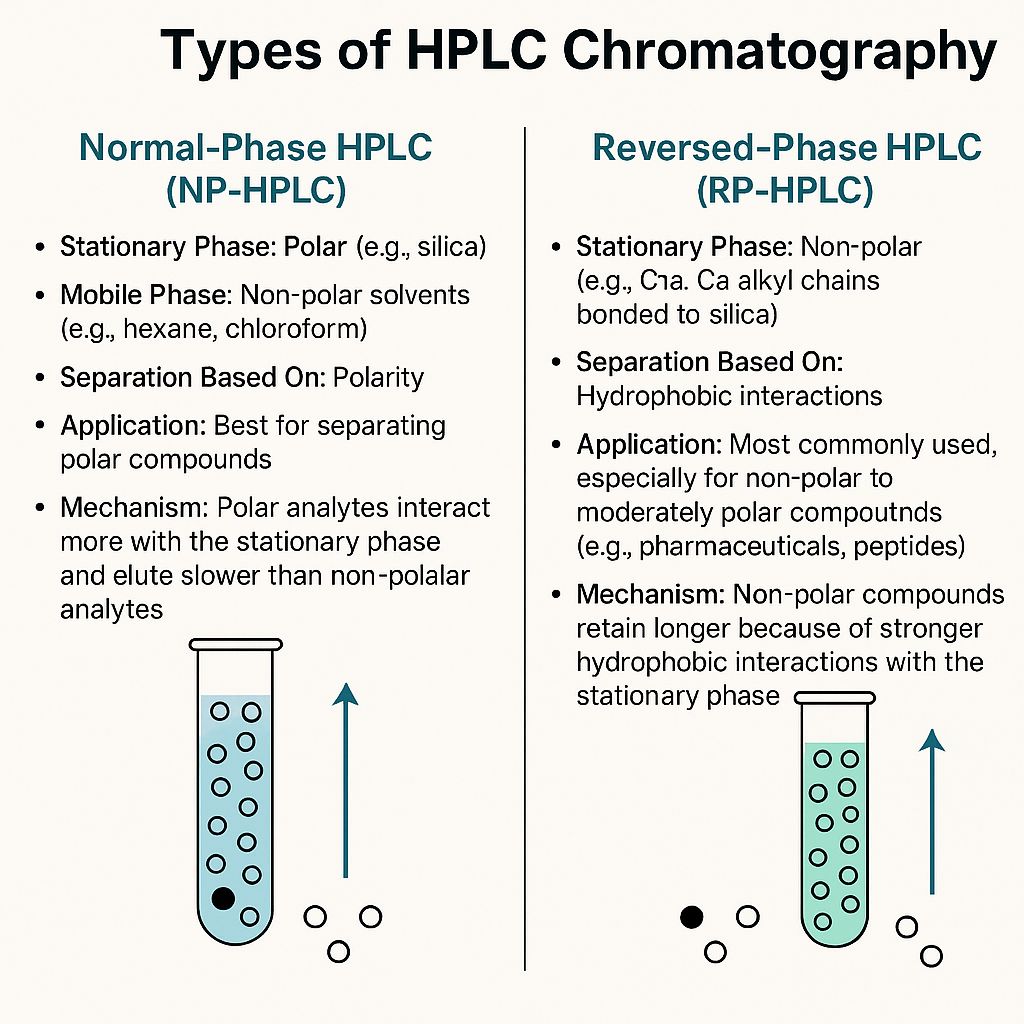
A complete guide to Normal Phase (NPC) and Reversed Phase Chromatography (RPC), covering principles, key differences, applications in pharmaceuticals, environmental analysis, lipid profiling, and how to choose the right chromatography mode. Learn why Aijiren HPLC consumables like vials, syringe filters, and septa caps ensure reliable and reproducible results.
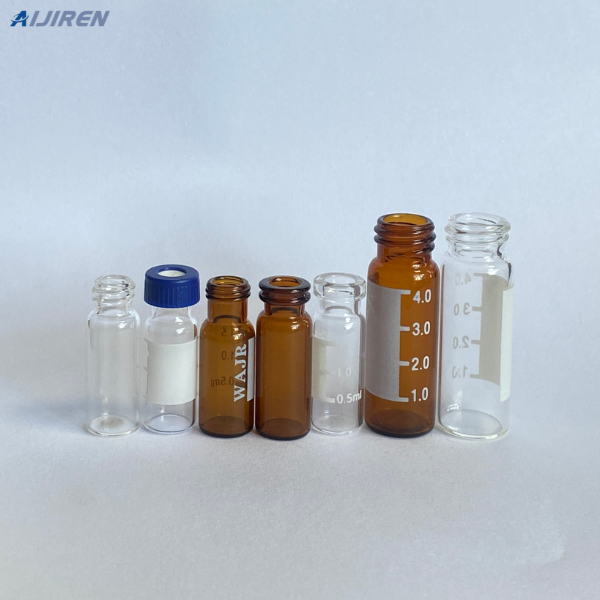
Explore key differences between LC-MS and HPLC vials. Learn about materials, cleanliness, and sensitivity to choose the right vial for your analytical needs.
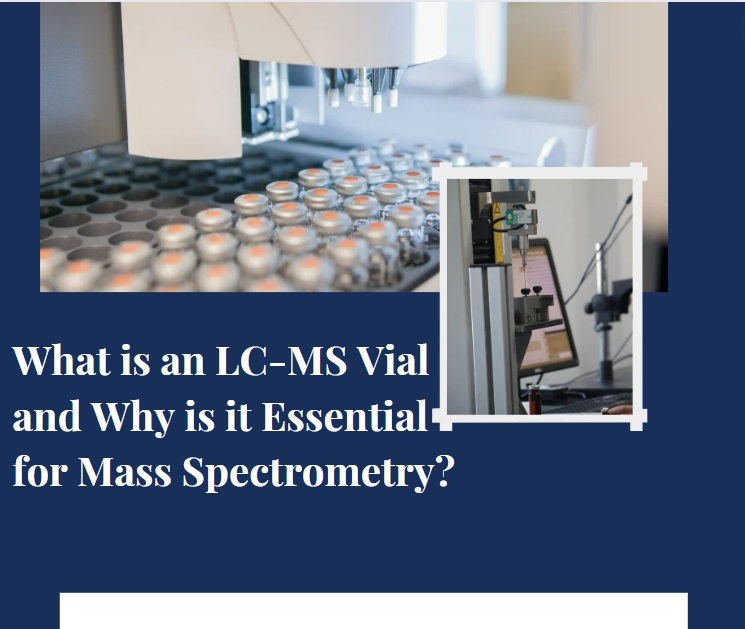
Discover what LC-MS vials are and why they’re crucial for mass spectrometry. Learn about vial types, best practices, and ensuring sample integrity in your analyses.
Ensure accurate LC-MS results with our guide on properly filling and capping vials. Learn best practices for maintaining sample integrity and preventing contamination.